Get a free quote
Call the workshop or email us direct. We reply the same working day. Surveys are free and there is no obligation to go ahead.
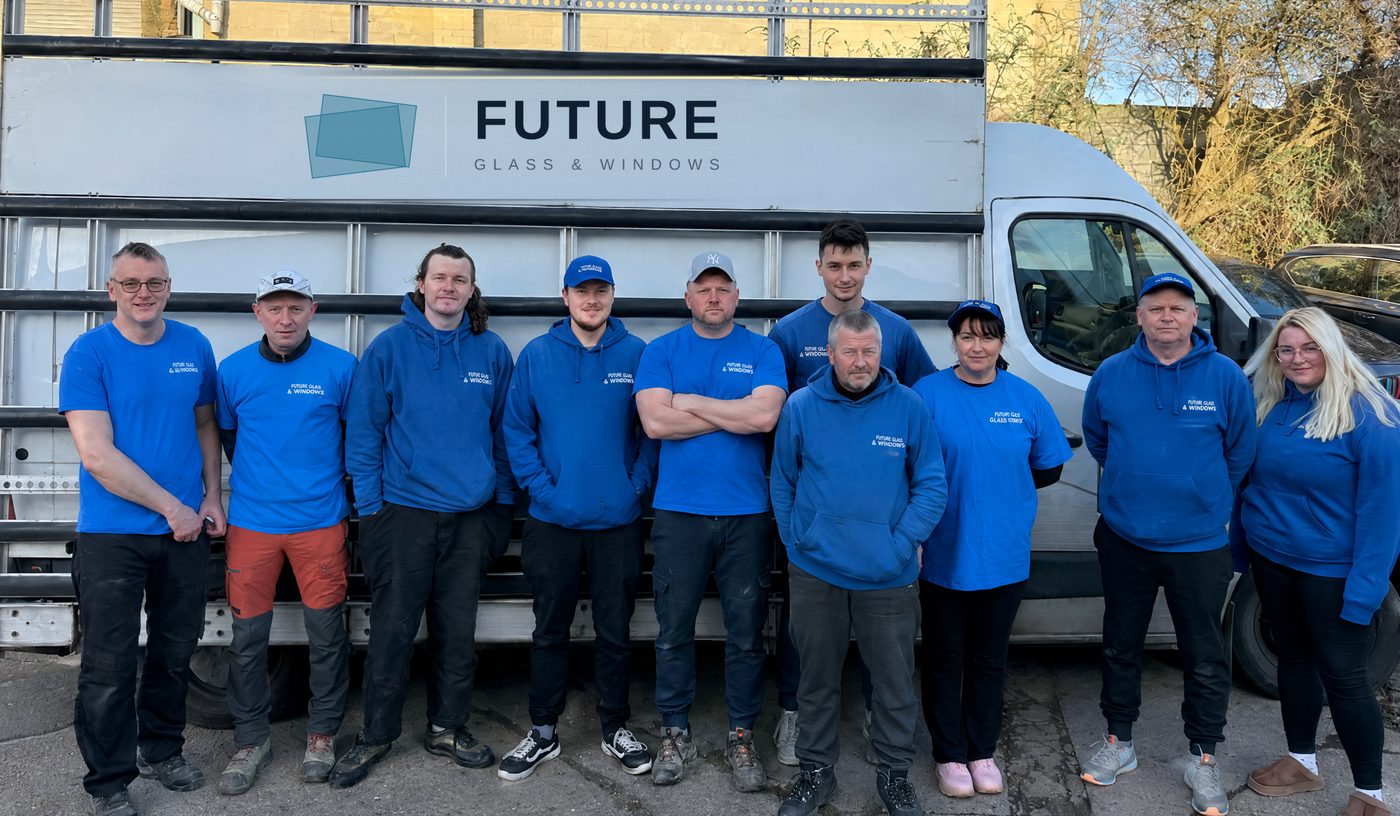
Talk to someone who does the job
Calls come through to the workshop, not a call centre. If you have sizes, a photo or a drawing, send them over or bring them to the call. It saves a visit.
- Phone020 4634 6045
- Email[email protected]
- Workshop6 Atlas Road
Wembley, London
HA9 0JH - Opening hoursMon–Fri 8am–5pm
Site surveys can be arranged outside these hours - RegistrationFENSA registered installer
What we quote for
- Aluminium sliding doors in London
- Sliding patio doors in London: replacing the door you already have
- Slim sliding doors: what the sightline numbers mean and when they earn their money
- Glass sliding doors: specifying the glass, not just the frame
- Choosing sliding door installers in London, and what to check before you sign
- Lift and slide doors: how the mechanism works and when you need it
- Sliding doors supply and fit, and what the scope should actually say
Visiting the workshop
Atlas Road is off the North Circular near Wembley Central, roughly ten minutes from the A406 and five from Wembley Park. Call ahead so someone is free to see you.
Send us the details
The more you tell us, the more accurate the first price will be.
- Call 020 4634 6045 Mon–Fri 8am–5pm
- Email [email protected] Replies the same working day
- Workshop 6 Atlas Road, Wembley
London HA9 0JH
- Aluminium sliding patio doors
- Slim sightline sliding doors
- Lift-and-slide doors
- Pocket sliding doors
- Internal sliding doors
- Not sure - need advice
FAQ
Before you call
How much do sliding doors cost in London?
Sliding doors span a wide range. A two-panel aluminium set in a standard colour is comparable to a good bifold; slim sightline and lift-and-slide systems with large panes cost considerably more, because the gear has to carry the weight and the panes themselves are expensive. Pocket systems add builder's work to form the cavity. We quote after survey with the making good included, so you can compare like with like.
Sliding or bifold doors?
Sliding doors give you bigger panes, slimmer frames and a better view when closed, but one panel always sits in the opening, so you never get the full width clear. Bifolds fold away to leave almost the whole opening open, at the cost of more frame in your eyeline when shut. If you look through the doors more often than you walk through them, choose sliding.
What is lift-and-slide and do I need it?
On a lift-and-slide door the handle raises the panel onto its rollers before it moves and lowers it onto compression seals when closed. It is worth having on heavy panels — roughly 200kg and up — because a standard slider that heavy becomes hard work, and the seal when closed is noticeably better. On a modest two-panel door it is not necessary.
How slim can the frames be?
Slim sightline systems bring the interlock — the join where two panes meet — down to around 20mm. Standard systems are nearer 40–50mm. The slim systems rely on steel reinforcement inside the aluminium, which is why they cost more and why the pane sizes have to be checked against the system's limits at survey.
Can sliding doors have a flush threshold?
Yes. It gives the best finish, especially where internal and external floors are at the same level. It also removes the upstand that keeps water out, so you need a drainage channel immediately outside and ground that falls away from the door. Decide this before manufacture — it affects the frame you are ordering, not just the fitting.
Do you need to take out the window above or widen the opening?
Not usually. Sliding doors go into the existing structural opening, and if you keep the opening as it is, no structural work is needed. If you want it wider, that means a new lintel sized by a structural engineer and a builder before our fitting date — we check the existing lintel at survey and will tell you where you stand.